

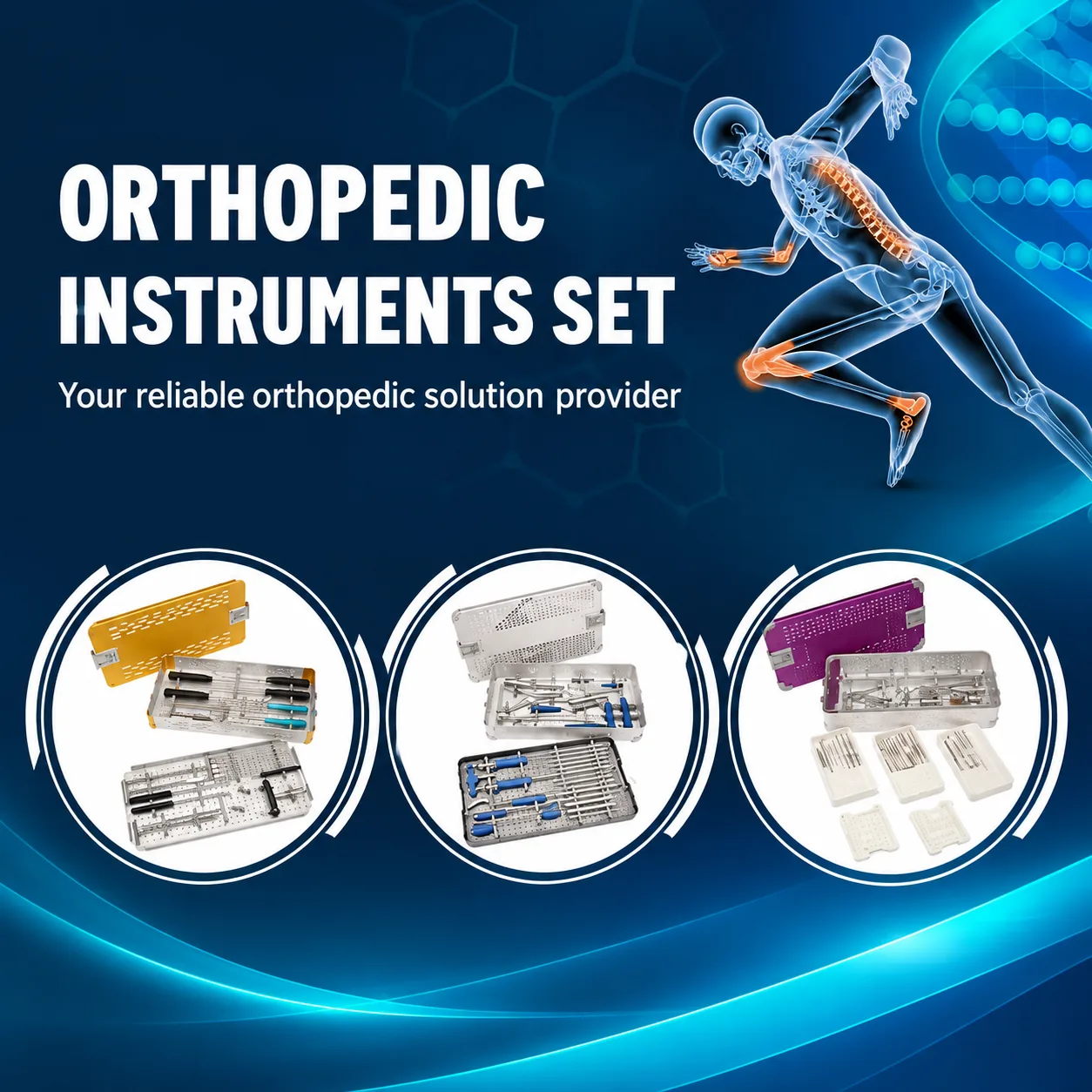
Evaluate an orthopedic surgical instruments supplier: check set contents, compatibility, sample quality, reprocessing instructions and replacement support.
What should buyers check before choosing a supplier?
Evaluate an orthopedic surgical instruments supplier by the exact instruments, documentation and support it can deliver. A polished tray photo cannot answer those questions. Start with six checks: itemized contents, intended use, interface compatibility, sample quality, reprocessing instructions and replacement terms. These checks turn a broad sales promise into a purchase specification. For distributors, importers and hospital procurement teams, the goal is a set that can be identified, assessed and supported throughout its working life. Ask who manufactures each item and who handles technical questions after delivery. Record the model codes and quantities before comparing prices. Buy against a defined list, not a label such as “complete orthopedic set.” That simple discipline makes competing quotations easier to compare and gives your receiving team a clear basis for checking the shipment when it arrives.
Specify the tray contents before requesting a price
A set name is a starting point, not an inventory. Ask your orthopedic surgical instruments supplier to list every instrument, its code, dimensions, quantity and intended role. Separate general tools from those made for a particular implant system. A reduction forceps, a depth gauge and a locking drill guide do different jobs; one cannot stand in for another because the tray has an empty slot. Review the Youbest trauma instrument sets to identify the relevant product family, then request the exact configuration. Mark all exclusions in the quote, including trays, spare sleeves and optional instruments. If the hospital already owns part of the equipment, confirm what can be retained rather than assuming it will fit. Have the clinical and sterile-processing teams review the proposed inventory before commercial approval. Their requirements should appear in the final order.
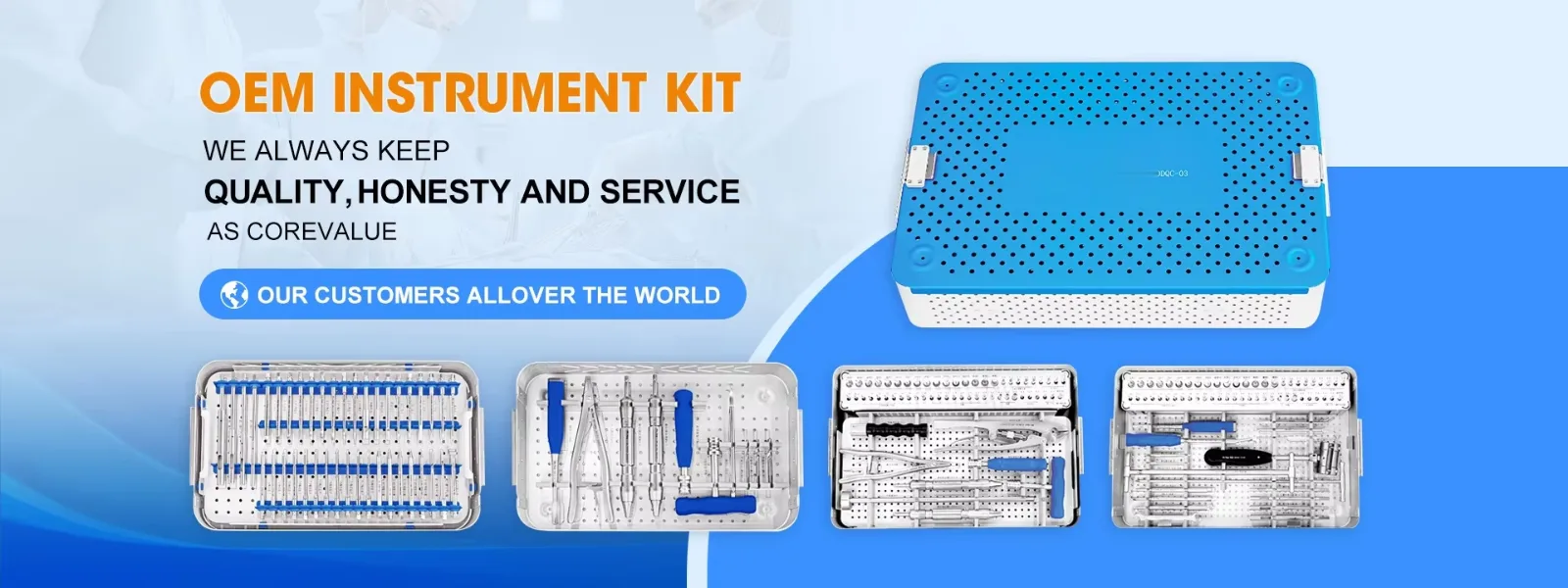
Instrument kit examples. Confirm the exact tray contents, item codes and quantities in the quotation.
Confirm compatibility by model, not by appearance
Two instruments can look alike and still have different interfaces. A driver tip must match the specified recess, while a guide or connecting bolt may belong to one system version. Require your orthopedic surgical instruments supplier to identify supported combinations in writing. Diameter alone does not prove compatibility. For implant-specific trays, link each instrument code to the intended plate, screw or nail model and revision where applicable. Ask what changes when a product is updated and how older sets will be supported. The Youbest OEM instrument set page is a useful starting point for discussing a defined configuration. It does not replace a compatibility review. Do not approve cross-brand mixing on the strength of a photograph or a brief fit check. Obtain the manufacturer's documented specifications and have the responsible technical team assess them before placing the order.
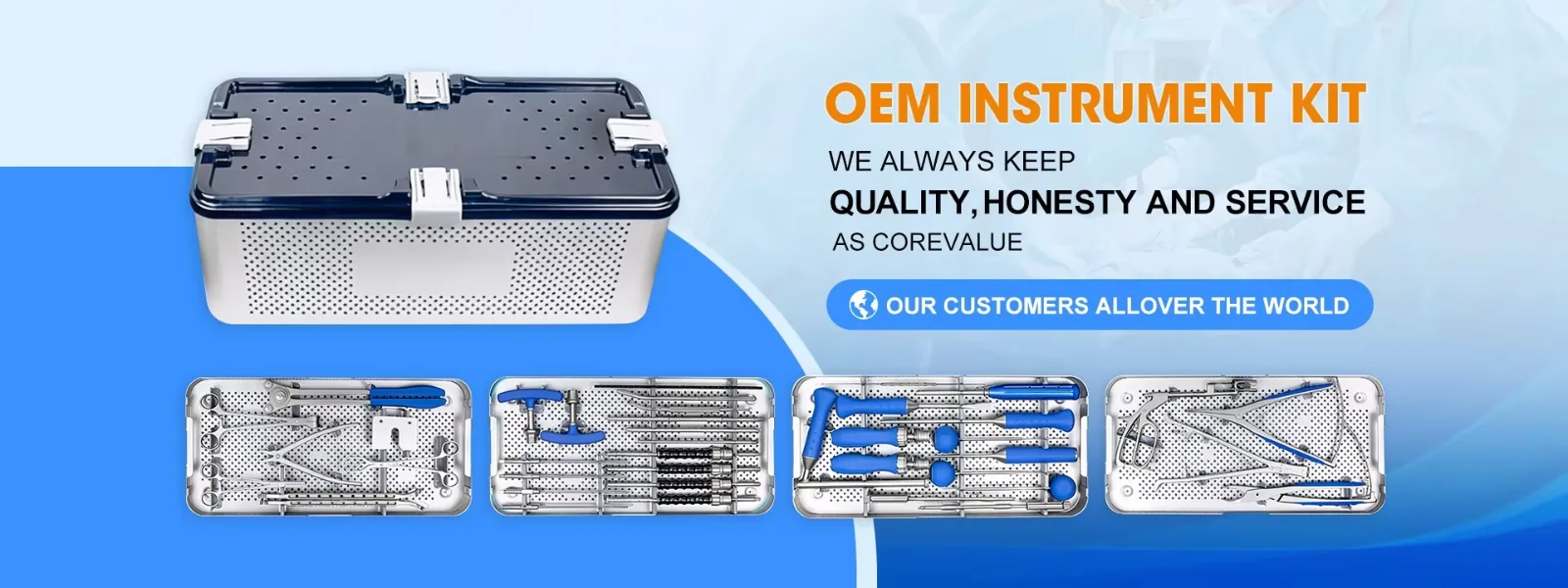
Instrument set configurations. Confirm each instrument against the specified system; appearance alone does not establish compatibility.
Inspect samples against written acceptance criteria
“Good quality” is not a test result. Before reviewing samples, agree what your orthopedic surgical instruments supplier must demonstrate and what will count as a rejection. Relevant checks may include dimensions, surface condition, legible markings, jaw alignment, joint movement and the fit of specified interfaces. Cutting tools and measuring instruments need criteria suited to their intended function. A visual inspection cannot establish material composition or service life. Request the supporting records appropriate to the product and your purchasing requirements, including the stated material grade and applicable inspection results. Let qualified staff perform functional checks within the manufacturer's instructions. Record the sample codes, findings and any agreed corrections. Then link acceptance of the production shipment to that approved specification. Otherwise, a convincing sample becomes a one-off demonstration with no clear connection to the goods you receive later.
- Define measurable checks and who will perform them.
- Record sample identifiers and agreed deviations.
- Require written approval before substitutions.
- Specify how rejected or missing items will be resolved.
Review reprocessing instructions before approving reusable tools
Reusable does not mean ready for any cleaning or sterilization cycle. Ask your orthopedic surgical instruments supplier for the current instructions for each device, including disassembly, cleaning, inspection, packaging and the specified sterilization method where applicable. The CDC's sterilizing practices guidance emphasizes following device-specific instructions and test data when preparing and sterilizing complex instruments. For a buyer, the practical question is whether the hospital can follow the supplied process with its available equipment. Have sterile-processing staff review that fit before purchase. A generic “autoclavable” statement is not enough. Clarify how lumens, joints and removable parts are handled, and obtain any stated inspection or retirement criteria. Keep single-use and reusable items clearly distinguished. If the instructions are incomplete or unclear, resolve the gap with the manufacturer before approving the set for use. Do not invent a cycle from another product's leaflet.
Compare lifetime support, then send a focused RFQ
The lowest opening price can hide costly gaps in spare parts and service. Ask your orthopedic surgical instruments supplier for replacement prices, minimum quantities, repair terms and lead times by item. A worn driver or missing guide should not force an unnecessary purchase of another full tray. Confirm how complaints are recorded, which identifiers are needed and who handles technical escalation. Review product-specific documentation for your destination market with the responsible regulatory specialist; a company certificate does not establish authorization for every item. Compare the same scope of supply across quotations, including instruments, trays, documents and support. Start with a controlled pilot order when appropriate, then review delivery accuracy and issue resolution before expanding. For a useful RFQ, send your country, buyer role, required instrument codes or procedure scope, quantities and delivery target. Clear requirements make a supplier's response much easier to judge.

Storage and inventory illustration. Confirm current availability, replacement-part stock and replenishment lead times for the requested items.
- Request the itemized quotation and documented compatibility.
- Include sample acceptance criteria and required instructions.
- Ask for spare-part availability and replacement lead times.
- Confirm the supplied condition, labeling and documentation scope.