
Compare orthopedic bone screws by type, diameter, thread, material and system fit. A practical guide to matching plates, drivers and documents before ordering.
What are orthopedic bone screws?
Orthopedic bone screws are implants used to secure bone fragments or work with a fixation device, such as a plate or nail. The name covers several designs. It does not describe one interchangeable product. For a distributor or hospital buyer, a useful comparison starts with three questions: what is the screw designed to do, which system supports it, and what evidence confirms that match? Price comes later. A cheap component becomes expensive when the required driver is missing or the plate interface is wrong. Build your order around an approved list of parts, sizes and tools. Keep each model tied to its current instructions and product code. Buy a defined configuration, not a loose collection of similar photographs. Clinical selection belongs to the treating team; procurement must make sure the quoted and delivered items match the configuration that team has approved.
Cortical and cancellous screws: start with thread design
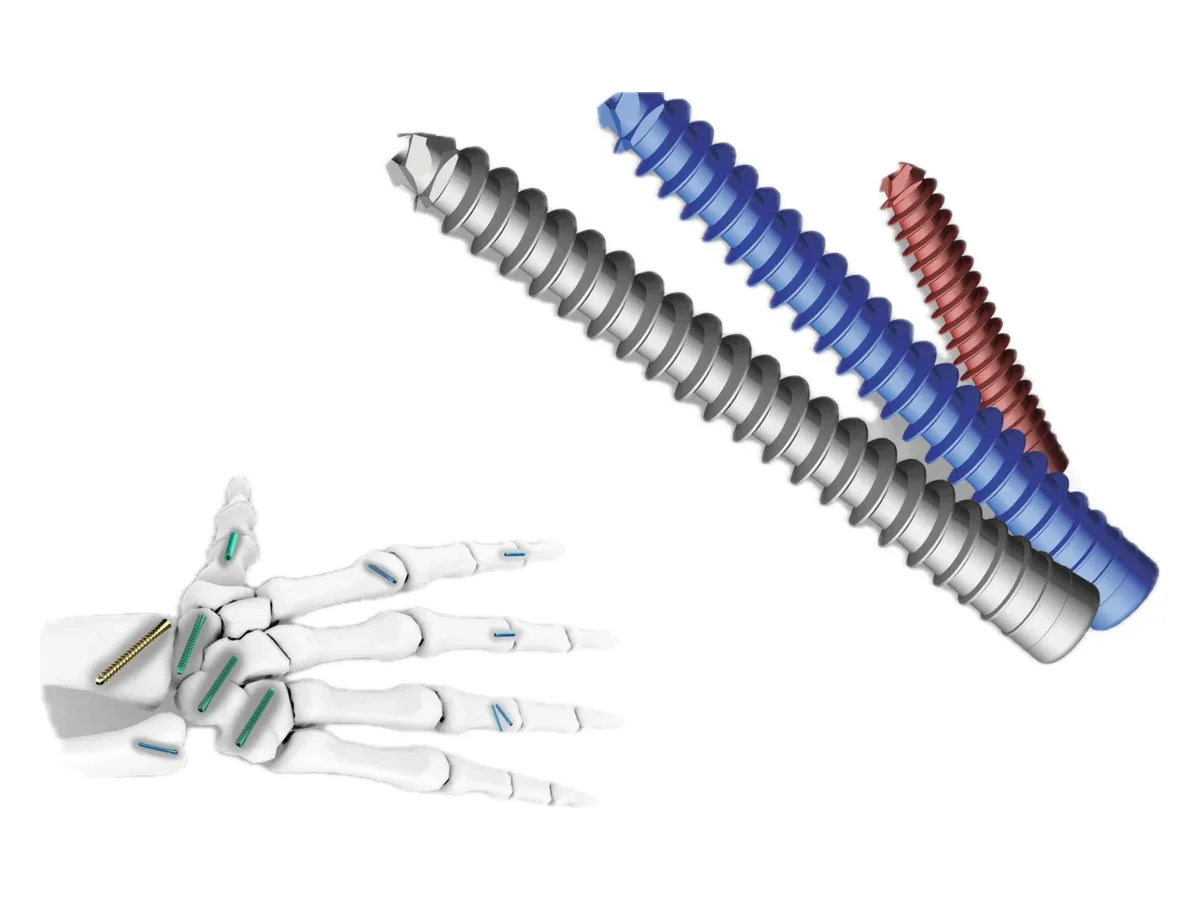
Cortical and cancellous screws differ in thread geometry and intended bone engagement. Cortical designs generally have a finer pitch, while cancellous versions commonly use deeper, more widely spaced threads. Those names help sort a catalogue. They do not replace the specification sheet. When comparing orthopedic bone screws, record the outer diameter, core diameter, pitch and threaded length for the exact model. A full-thread and a partial-thread version can share a nominal diameter while serving different requirements. Ask the supplier to identify each variant separately on the quote. For example, “4.0 mm screw” leaves the head, length, thread pattern and material unresolved. It is not an order-ready description. Review the Youbest bone screw range to shortlist product families, then request current drawings and size tables. The product code should settle the ambiguity before a sample or shipment is approved.
Locking screws: the head must match the plate
A locking screw engages a compatible plate hole through its head interface. That connection is a defining part of the system. A conventional screw used with a plate relies on a different fixation principle, so the two are not casual substitutes. The AO Foundation explanation of locking plate principles describes this distinction. For buyers of orthopedic bone screws, the practical lesson is simple: matching the shaft diameter is not enough. Confirm the approved plate, screw head, driver and any required torque-control tool together. If a supplier offers variable-angle locking, ask which components belong to that specific design. Do not infer compatibility from a similar recess or a familiar colour. Get the supported combination in writing. A purchasing team should be able to trace every line on the screw quote to the corresponding plate family and instrument list without guessing.
Cannulated and compression screws: separate structure from function
Cannulated means that a screw has a central channel, commonly used with a guidewire. Compression describes a mechanical function. These terms answer different questions and can apply to the same implant. Headless designs add another distinction: their head profile differs from a conventional headed screw. For orthopedic bone screws, request the exact guidewire size, driver interface and related instruments rather than treating “cannulated” as a complete specification. The AO Foundation lag screw principles explain that compression depends on how the screw engages the fragments, not simply on its catalogue name. This is why a buying guide should not turn a product label into a surgical instruction. Separate design, function and intended use in your comparison. Have the qualified clinical team review the proposed model, then quote the approved screw and its supporting tools as one clearly identified package.
Which specifications belong on the purchase order?
A diameter and a total quantity are not a complete specification. List the model, nominal diameter, length, thread extent, head design, drive recess and material for each line. Ask how length is measured, particularly when comparing headed and headless products. Also confirm whether the supplied item is sterile or non-sterile and which instructions apply. For orthopedic bone screws, colour is a visual aid, not proof of alloy grade or compatibility. Obtain the material specification and supporting records for the actual product offered. Your first order should use a size-by-size quantity breakdown agreed with the customer, rather than an assortment chosen only to fill a tray. Make substitutions visible. If a requested length is unavailable, require written review of the proposed alternative before dispatch. That simple rule prevents an apparently complete delivery from containing parts the receiving team never approved.
- Model code, diameter, length and thread extent.
- Material specification, head interface and matching driver.
- Sterile status, packaging, lot identification and current instructions.
- Quantity by size, approved substitutions and replenishment terms.
System matching includes instruments and documents
The screw is only one line in the purchasing decision. Check the specified drill bits, guides, depth gauges, taps where required, drivers and extraction tools against the manufacturer's instrument list. A self-tapping label does not mean self-drilling, and it does not remove the need to follow that model's instructions. When sourcing orthopedic bone screws, compare the Youbest trauma instrument systems alongside the selected implant family, then confirm the exact kit in the offer. A tray photo cannot prove completeness. Request item codes and quantities, spare-tool availability and processing instructions for reusable instruments. Keep the document review equally specific: labels, instructions, traceability records and applicable market documentation should identify the products being purchased. A certificate logo on a brochure cannot establish coverage for every size or model. Resolve those gaps while the order is still a proposal.
Ask these questions before requesting a final quote
A useful RFQ lets two suppliers price the same requirement. State your destination market, customer type, product family, size mix, opening quantity and required delivery window. Add the matching plate or nail system and instruments where relevant. For orthopedic bone screws, ask the vendor to separate stocked sizes from items made to order, identify exclusions and explain how repeat supply will be handled. Compare the whole offer: implants, tools, packaging, documents, freight and replacement support. Approve the specification before scaling the order. A sample review should check that the supplied configuration matches the agreed records; a good-looking sample is not a substitute for that review. Distributors, importers and hospital purchasing teams can send Youbest their selected screw types, size list, target country and estimated quantity for a focused quotation. Clear inputs produce a useful answer. “Send a price list” usually produces another round of questions.