

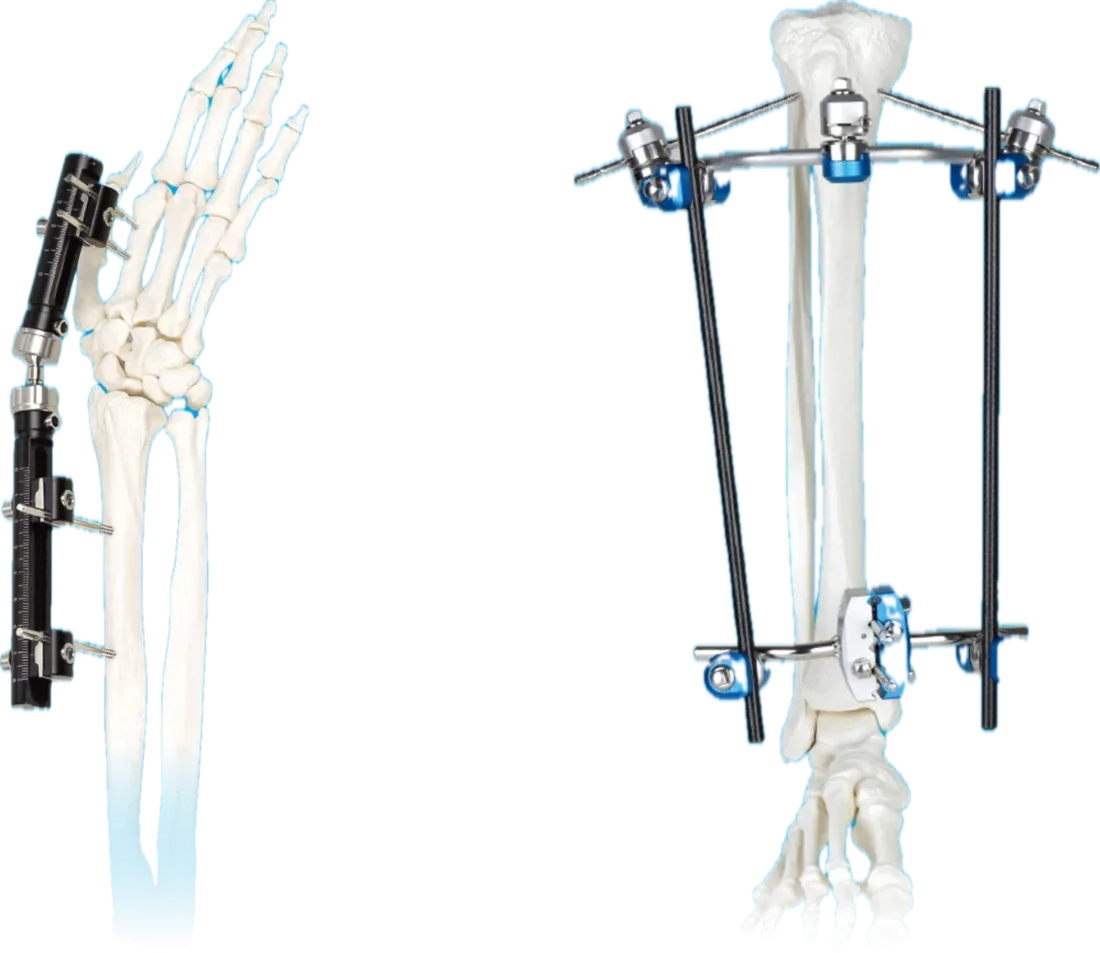
Choose an external fixator manufacturer with a buyer checklist covering frame systems, component compatibility, quality records, instruments and spare parts.
Choose the system before you compare the price
A cheap frame can become an expensive purchase when one missing clamp holds up the whole order. An external fixator manufacturer should be assessed on the complete system, documented compatibility and ongoing supply support. Start there. For distributors, importers and hospital buyers, the task is to match the product range to the services their customers provide. A catalogue photograph cannot show whether every required pin, connector and tool is included. Nor does a low unit price reveal the cost of restocking small parts. Request a named configuration, a clear list of contents and an agreed delivery scope before comparing offers. This guide sets out the questions that make those offers easier to judge. It focuses on purchasing evidence: what is supplied, what fits together and who helps when a replacement is needed. Buy a supported system, with each essential item accounted for.
Match the frame family to your market
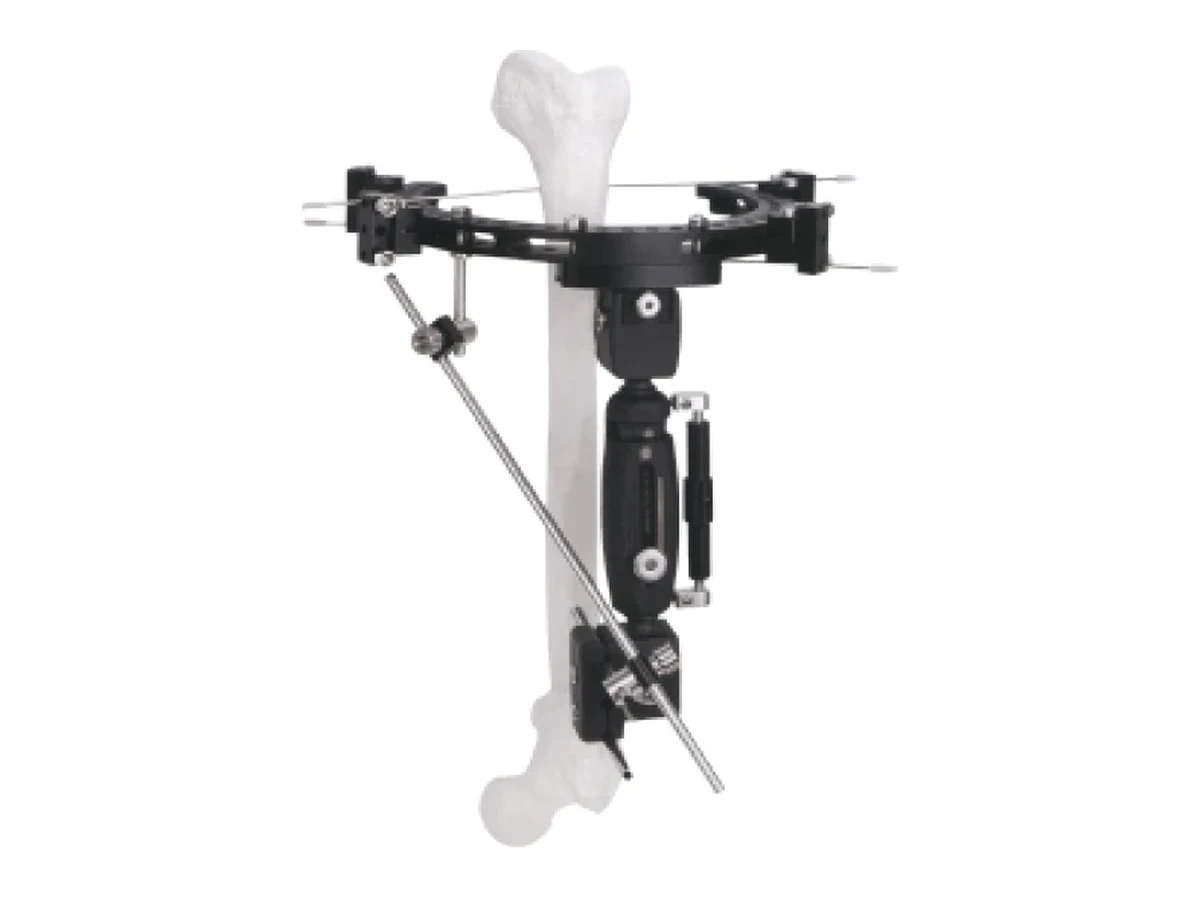
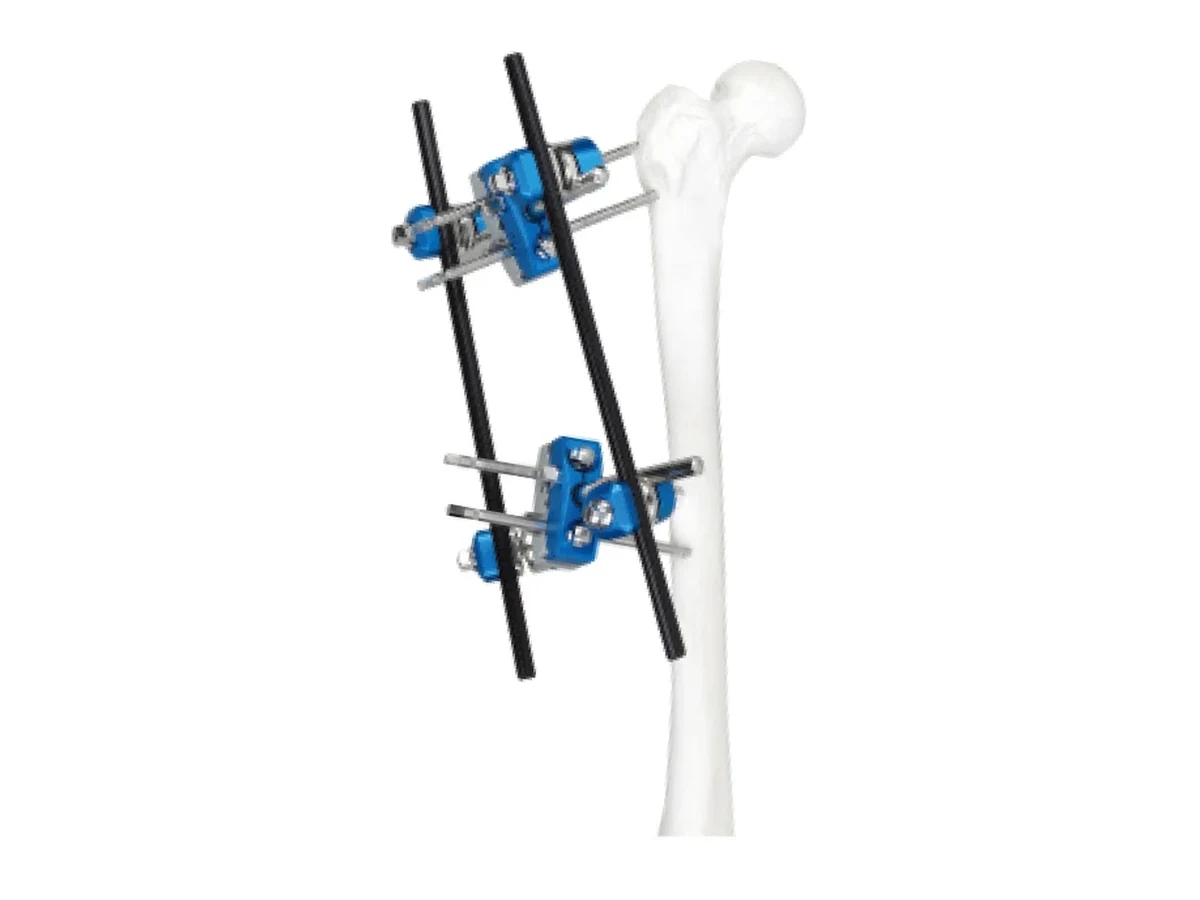
Ask your external fixator manufacturer to separate unilateral, modular and circular systems in the quotation. These are different product families, with different parts and instrument needs. A unilateral frame places its main support along one side of the limb. A ring system uses circular or partial rings linked by connecting elements. A modular set brings together bars, clamps and other specified components. The clinical team determines which configuration suits a case; a purchasing team must establish what its order actually contains. Begin with the hospital's requested applications and size range. Then map each requirement to a model code. Youbest's external fixator product range provides a starting point for reviewing unilateral, combined and ring options. Range breadth is useful only when the relevant sizes and parts are available. Ask for separate line items rather than accepting one vague description such as “complete external fixation set.”
Require a component list that can be checked
A complete external fixation system is defined by its bill of materials, not by the number of pieces in the photograph. Request part codes, dimensions, quantities and the intended mating components. Pins and wires need their own specifications; rods, clamps and rings need clearly stated sizes and interfaces. Ask which tools are required and whether those tools are included. Do not assume that two parts fit safely because they share a nominal diameter or look alike. The supplier should identify the combinations supported by its documentation. Where compatibility is unclear, resolve it before ordering. Have the clinical and technical teams review the proposed set against their requirements. A dependable external fixator manufacturer can explain exclusions as clearly as inclusions. This prevents a familiar buying mistake: comparing a bare frame with a package that also includes instruments, fixation elements and trays. Compare the same scope first.
- Item code, description, size and quantity for each component.
- Documented compatible parts and required instruments.
- Included trays, packaging and spare items.
- Explicit exclusions and separately priced options.
Check circular frames at the component level
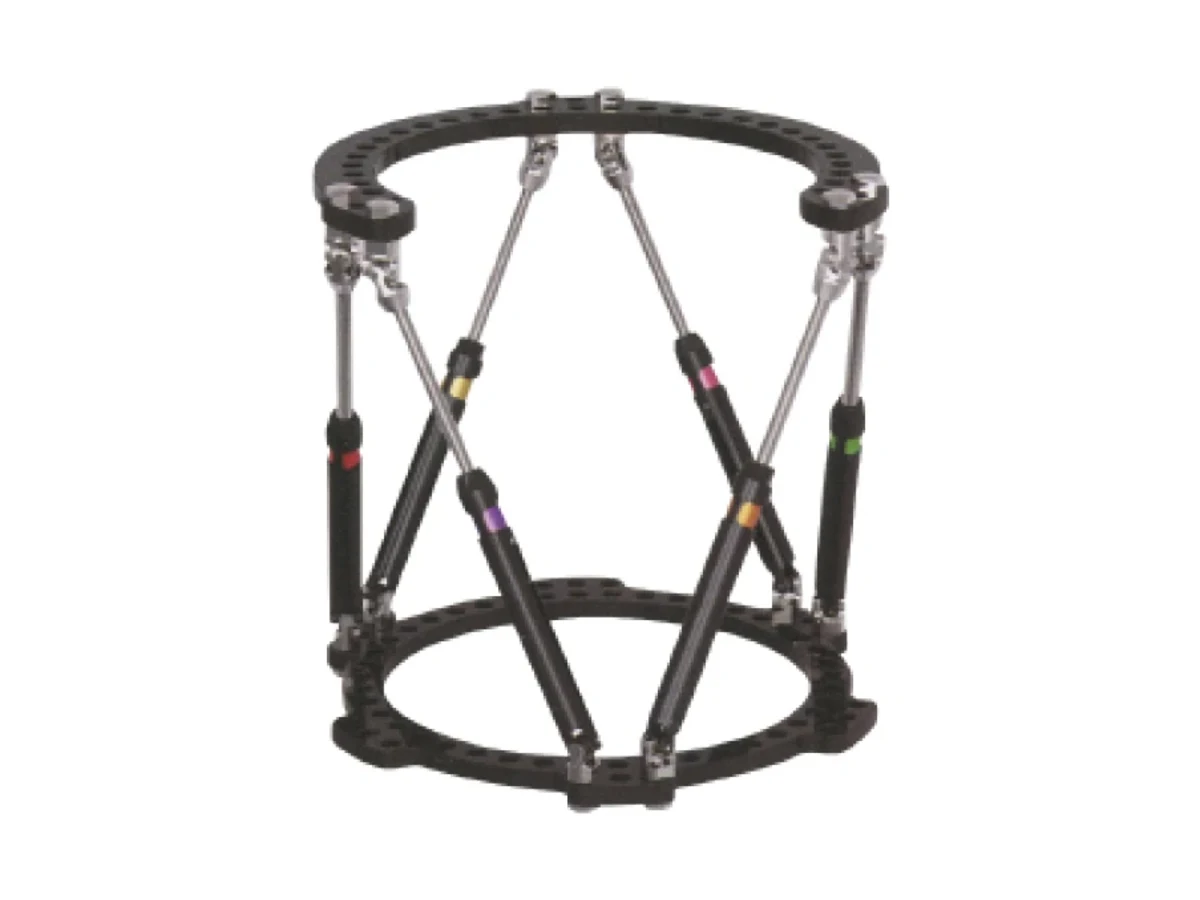
Ring fixator procurement deserves more detail than a single line headed “Ilizarov set.” Ring sizes, connecting rods, hinges, posts and fixation elements must be listed for the proposed configuration. A photograph of an assembled frame is a useful reference, but it is not a packing list. Review the Youbest Ilizarov apparatus range alongside the supplier's current component schedule. Ask the external fixator manufacturer to identify which items are supplied individually and which belong to a set. Confirm the tools needed for the specified assembly and their availability as replacements. Keep model codes consistent across the quote, sample, purchase order and delivery documents. If a part changes, require a clear explanation of the change and its effect on the agreed system. That small discipline makes future replenishment much simpler, especially when several hospitals order similar-looking frames with different requirements.
Ask for quality evidence that matches the product
A badge on a brochure is a starting point for questions. It is not the whole answer. ISO 13485 addresses medical device quality management systems, as explained by ISO's official overview. When reviewing a certificate, check the named company, covered site, scope and current validity. Then request the records relevant to the actual product and your destination market. Ask for material specifications, traceability information, inspection criteria and the applicable instructions for use. Your external fixator manufacturer should make the link between a quoted item and its supporting documents clear. Do not treat a quality management certificate as evidence that every model is authorized for sale in every country. Have your regulatory team confirm the requirements for the intended market. Product identity must remain consistent across labels, documents and shipment records. If those names or codes conflict, settle the discrepancy before the order progresses.
Evaluate instruments and reprocessing information
An external fixator manufacturer supplies more than the visible frame. The supporting instruments and handling information deserve the same attention as the hardware. Ask for an itemized instrument list, identification markings and the instructions that apply to each reusable component. Clarify which items are single use and which may be reused under the stated conditions. Request the documented cleaning, inspection and sterilization instructions for the relevant devices and trays. A general claim that a set is “autoclavable” leaves too many questions unanswered. The hospital's sterile processing team should review those instructions against its facilities and workflow. A tray is part of the purchasing scope, not proof that the contents arrive sterile. State the required supply condition and packaging in the order. Also establish how worn or damaged tools are identified and replaced. Clear documentation helps procurement, clinical staff and processing teams evaluate the same proposed system.
Test supply support before a large order
The first shipment starts the relationship. Small replacement orders often test it. Ask your external fixator manufacturer for lead times by item, minimum order quantities for spare parts and a named contact for technical questions. Separate stocked items from those made to order. Confirm how shortages, damaged deliveries and specification changes will be handled. A promise of fast shipping means little without an agreed list of available components and a dispatch date. Evaluate total purchasing cost: the frame, instruments, replacement parts, freight and any required documentation. For a distributor, inventory tied up in rarely used sizes also matters. Start with an agreed sample or pilot scope and define the acceptance checks before it ships. Review identification, contents, documentation and the specified fit with the responsible technical team. Record any gaps. Scale the order after those gaps are resolved, rather than hoping that a larger shipment will fix them.
Send an RFQ that earns a useful answer
A strong request for quotation gives the supplier enough detail to respond with a clear, comparable offer. State your country, organization type, requested frame family, size range and quantities. Include the component list if you already have one, and identify the documents your market requires. Ask the external fixator manufacturer to flag missing information instead of silently choosing alternatives. Specify whether you need instruments, trays, spare parts or private-label packaging, then request separate prices where useful. Set the required delivery window and ask what can realistically meet it. For distributors, hospital buyers and medical device importers, the next step is a configuration review with Youbest using the product links above. Send the model or application, destination country and initial quantity. Request an itemized proposal with matching components and support terms. That turns a broad price inquiry into a purchasing decision you can defend.
- Market and buyer role.
- System family, model codes and required sizes.
- Quantities, instruments and spare-part needs.
- Documentation, packaging and delivery requirements.