

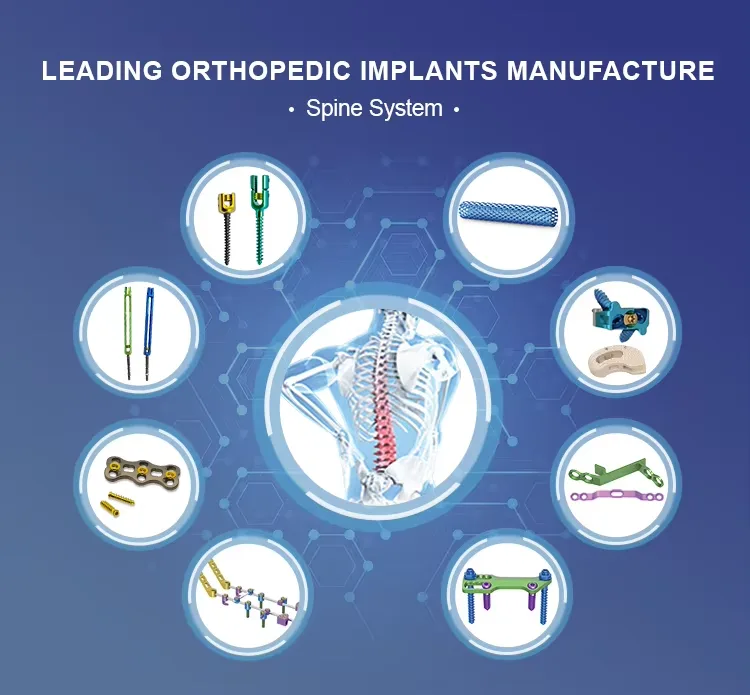
Compare a spinal implants supplier on product range, matching instruments, quality documents, traceability and supply support before placing your next order.
Compare a complete system before comparing the price
A spinal implants supplier should be assessed on the implant range, matching instruments, supporting documents and supply plan as one package. A low screw price tells you little about the cost of opening a new hospital account. You also need the right sizes, usable trays, clear labels and a way to replace worn tools. Start with a list of what your customers actually buy. Then ask each vendor to quote the same scope. This makes gaps visible before money changes hands. For distributors, importers and hospital buyers, the key question is simple: can this partner support the whole order, from first review through repeat supply? Compare evidence against a fixed checklist. A polished catalogue can help you find products, but it cannot settle questions about compatibility, document coverage or delivery. Those answers belong in the written offer and supporting files.
Match the portfolio to the accounts you serve
A broad range is useful only when it fits your market. Review pedicle screw and rod systems, interbody cages, cervical plates and mesh as separate product families. Record the relevant models, sizes and instruments for each. Your spinal implants supplier should explain which items form a defined system and which require a different tray. For example, an account asking for minimally invasive spinal instrumentation may need a distinct set of access and insertion tools; a general instrument box is not a sufficient answer. Start with the procedures your customer already supports, then agree a focused opening stock list. The surgeon determines clinical suitability. Your purchasing task is to make the commercial offer clear and complete. Browse the Youbest pedicle screw and rod range to identify candidate families, then request their current size tables and system-specific component lists before selecting stock.
Confirm compatibility at component level
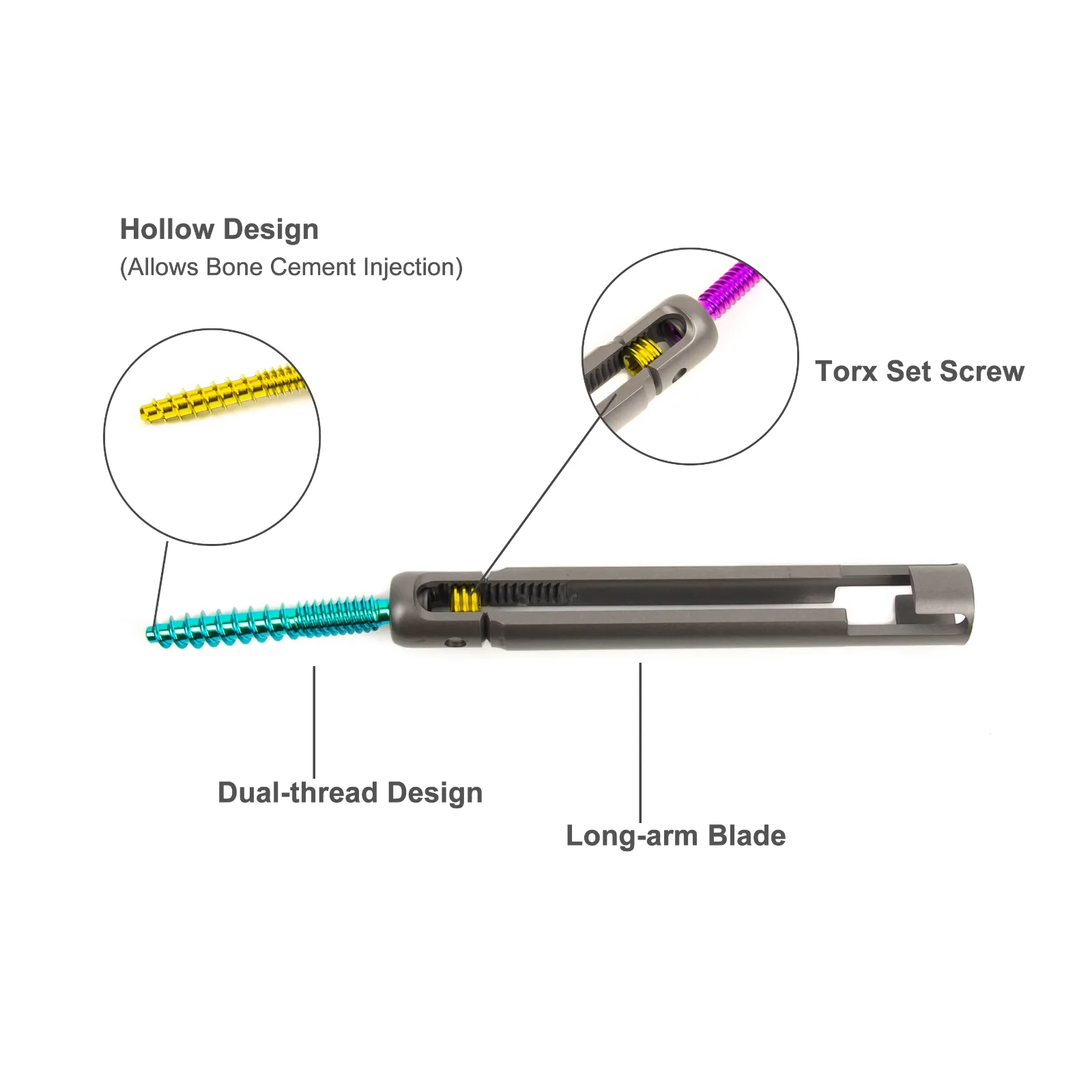
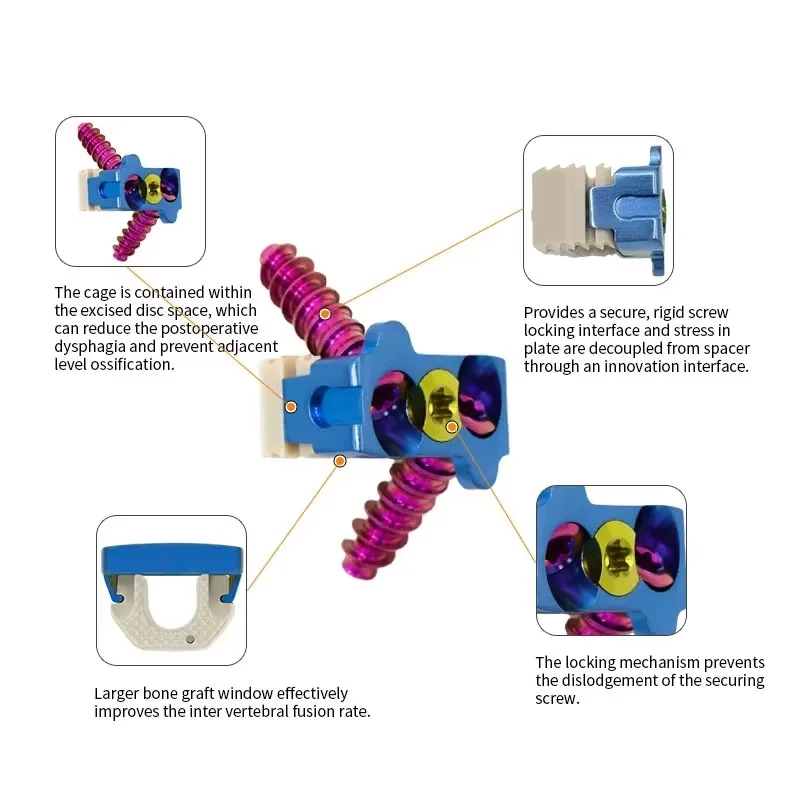
Matching a rod diameter is a starting point, not proof that parts can be mixed. Ask for the exact pairing of screws, rods, locking components, connectors and instruments within the offered system. A written compatibility statement is more useful than a verbal claim that a part is standard. Check model codes and document revisions against the quotation. If one component changes, ask what else must change with it. A dependable spinal implants supplier should make those dependencies clear before you approve a purchase. The same discipline applies to fusion cages: compare the specified material, footprint, height options and matching trials or inserters. Do not infer interchangeability from similar photographs or dimensions. For a first order, arrange a documented sample review with qualified technical users against the manufacturer's instructions. Resolve missing information before final approval, and keep a signed list of the configuration being purchased.
Inspect the instrument set as closely as the implant
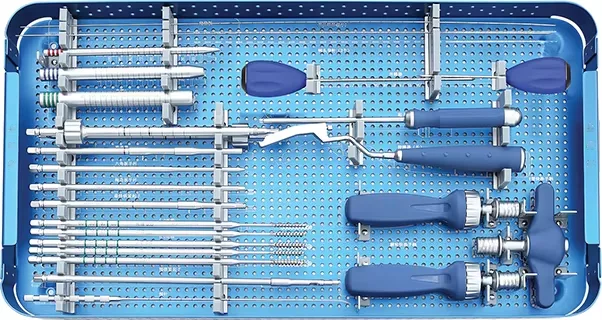
An implant quote without a tray list is an unfinished quote. Ask for item codes, quantities, intended functions and replacement availability for every instrument supplied. Include the system's required drivers, holders, measuring tools and any torque-control devices. Request applicable inspection, service and calibration instructions rather than assuming all tools follow the same routine. The spinal implants supplier should also provide the manufacturer's cleaning and sterilization instructions for reusable devices. Your hospital team needs to review whether those instructions fit its processing resources. Compare the Youbest spinal instrument kits alongside the selected implant family, and confirm the exact kit in writing. A tray photograph alone cannot prove completeness. Before accepting the shipment, reconcile its contents with the approved packing list and record any missing or damaged item. Name the replacement route early, including who handles a damaged driver and how a substitute is approved.
- Obtain an itemized implant and instrument list.
- Confirm system compatibility and current instructions.
- Agree spare-tool availability and replacement terms.
Check what the documents actually cover
A certificate logo is not a document review. ISO explains that ISO 13485 sets requirements for a quality management system specific to medical devices. Treat that as one part of supplier assessment. Ask your spinal implants supplier for the current certificate, named legal entity, covered activities and relevant site details. Then map the offered product codes to the applicable product documents and your destination market's requirements. Have your regulatory reviewer confirm the route before committing to an import order. Request current labels, instructions for use, material information and relevant test evidence for the proposed models. Where evidence covers a family, ask how the purchased variants fall within that scope. Keep claims tied to identifiable products. Avoid accepting a collection of unrelated files as a complete submission package. A clear document index, with revision dates and an owner for updates, makes future reviews much easier.
Test traceability and repeat supply before scaling up
The first delivery is only the opening test. Ask how each item can be traced from its label and lot record through your stock system to the customer shipment. Then test that process with a sample order. A spinal implants supplier should be able to explain how it handles complaints, product changes and requests for traceability records. On the commercial side, separate stocked items from made-to-order sizes and ask for lead times by line. Agree how shortages, partial shipments and discontinued models will be handled. A single delivery promise for a mixed order can hide the item that holds everything up. Compare total purchase costs, including trays, spare tools, documentation work and freight. Plan replenishment around actual demand, then review the plan after the first few orders. Clear stock records and written change notices help protect a growing account from avoidable supply surprises.
Send an RFQ that produces comparable answers
A useful request for quotation defines the same job for every bidder. State your target country, customer type, required product families, model or size needs, estimated quantities and preferred delivery window. Add the instrument sets and documents you need to review. Ask the spinal implants supplier to list exclusions rather than bury them in general terms. Score each response against your agreed requirements, with missing evidence marked as unresolved. Do not let a low unit price cancel out a critical gap. For distributors building a spinal portfolio, the next step is a focused discussion about fit: which systems your accounts need, which tools support them and what can be supplied repeatedly. Send Youbest your target market, selected system and estimated opening quantity to request a configuration-specific review. A complete, documented offer gives your technical and purchasing teams something concrete to approve before an order is placed.