

A practical guide for orthopedic distributors to compare market fit, product documents, complete implant sets, stock support and the full cost of a pilot order.
How should you choose a trauma implants supplier?
Choose a trauma implants supplier by checking market fit, product documentation, complete sets, stock support and total cost. A low unit price is only one part of that decision. The real test is whether the proposed range fits the hospitals you serve and whether you can support it after the first order. Start with a short list of target accounts, the systems they request and the sizes they use. Then ask each vendor to quote the same scope. Compare evidence against a written brief. A broad catalog may look impressive while leaving gaps in the sizes, tools or records your buyers need. This guide gives orthopedic distributors a practical way to screen partners before placing a pilot order. It covers commercial selection; the treating team remains responsible for clinical choices.
Start with your market, not the biggest catalog
A hospital group buying through tenders may need a different offer from a small distributor serving a few trauma centers. Define your route to market before asking for prices. List the country, buyer type, expected order pattern and support you can provide. Ask customers which fracture fixation systems they need, then check demand against actual requests or past orders. Do not turn a guess into stock. A trauma implants supplier should be able to respond to a focused brief with a clear model list and stated gaps. For example, demand for distal radius plates does not establish demand for every plate in an upper limb range. Start with the sizes and sides your accounts request. Expand from confirmed demand. Keep a separate list of products that buyers may want later, so that a future opportunity does not inflate your first purchase.
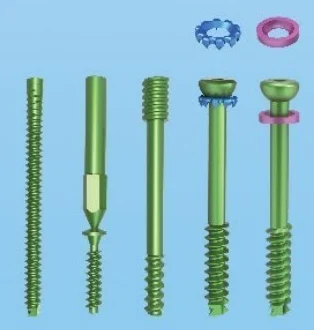
Youbest catalog image: bone screws. Confirm the exact model, material, dimensions and matching system in the quotation.
Match the implant range to a complete system
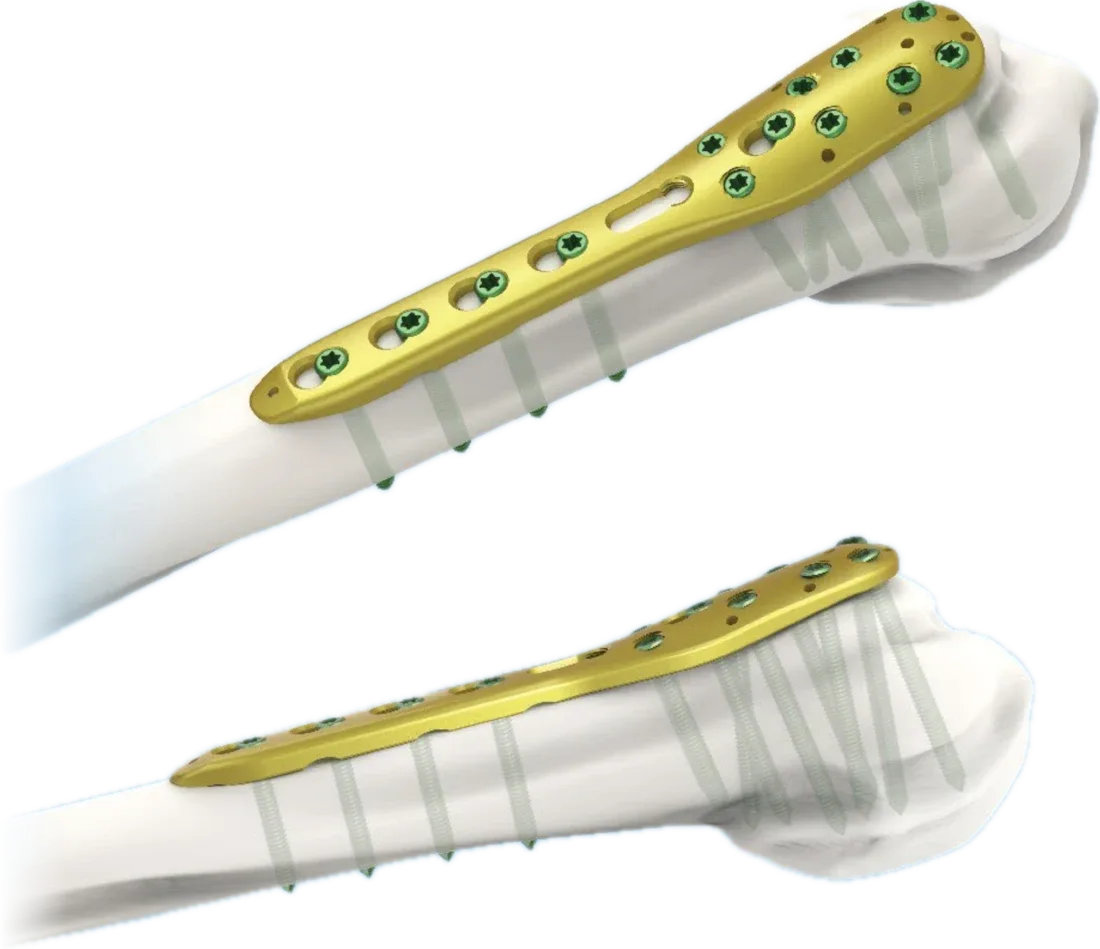
A plate is one item within a system. The quote also needs the approved screws, drill guides, drivers, depth gauges and trays required for the proposed scope. Ask for a complete set list. Use the Youbest orthopedic locking plate system to identify product families, then request model details for your shortlist. Do not assume that similar names or nominal sizes make parts from different systems interchangeable. A trauma implants supplier should identify the matching components and the instructions that govern their use. For a nail range, check the implant options alongside the guides and tools specified for that system. Review the set as a whole. Ask who checks that the packed tray matches the agreed list, how missing items are reported and how replacements are supplied. A complete quote makes gaps visible before shipment.
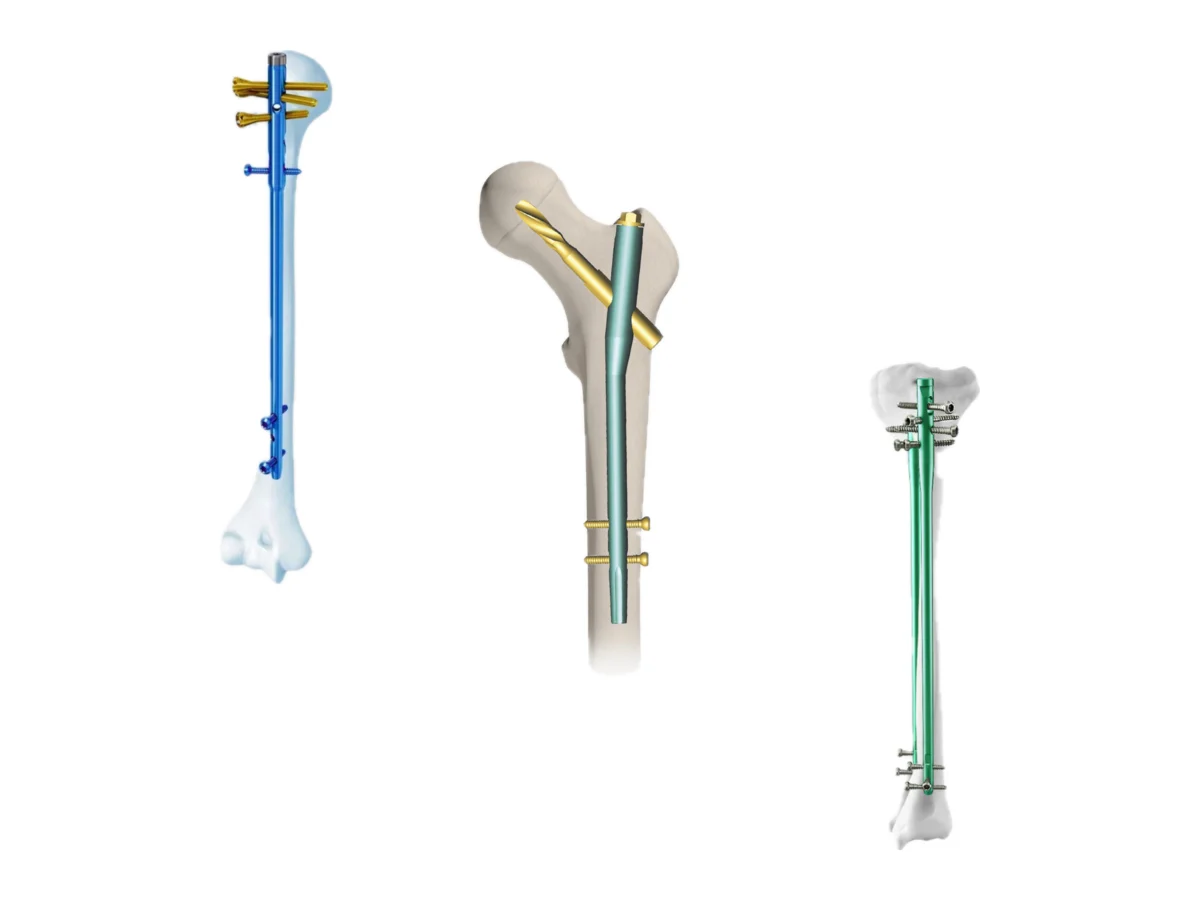
Youbest nail-system image. Product photographs show the range; the agreed model list defines the order.
Check documents for the exact products and destination
Document review must follow the destination market and the devices being offered. Request the legal manufacturer name, product identifiers, current labels, instructions and supporting records for the proposed models. Have a qualified local regulatory reviewer check what is required before import or sale. A logo is not a document review. ISO 13485 addresses quality management systems for medical devices. When assessing a trauma implants supplier, ask how its quality records relate to the specific scope being offered. Ask for the applicable evidence, then match its scope to the products in your quote. Keep unresolved items visible. A document for one device family should not be treated as proof for every item in a catalog. Record the review date, document version and person responsible for each open question.
Test stock support before the first large order
A launch order is easy to discuss. Replenishment deserves the harder questions. Ask which quoted models are held in stock, which are made to order and what the stated lead time includes. Separate production, packing, dispatch and transit. A trauma implants supplier should explain how it handles shortages, partial shipments and discontinued models. Get the assumptions in writing. Ask whether minimum quantities apply by order, model or size; those terms affect how much cash sits on your shelves. Build a reorder plan around real demand rather than a single optimistic delivery promise. Test a small repeat order. Track whether the promised items arrive in the agreed quantities and whether the packing list matches the goods. Keep a shared calender for stock reviews, but update reorder dates from actual use and confirmed supply conditions.
Price the full offer, including tools and support
The lowest implant price can hide a costly launch. Compare offers using the same product list, quantities, delivery terms and packaging scope. Include the instrument sets, spare tools, freight, applicable import costs and any agreed training or service fees. Calculate the cost of the usable set. The Youbest trauma instrument range provides a starting point for discussing tools alongside the selected implants. Ask for exact compatibility and set contents; a tray photograph does not establish either. A trauma implants supplier should also state how damaged tools, missing parts and product complaints are handled. Name the contact and the process. Agree what information you must provide, who investigates and how updates are shared. Clear support terms help you compare vendors without treating broad claims of service as a measurable commitment.
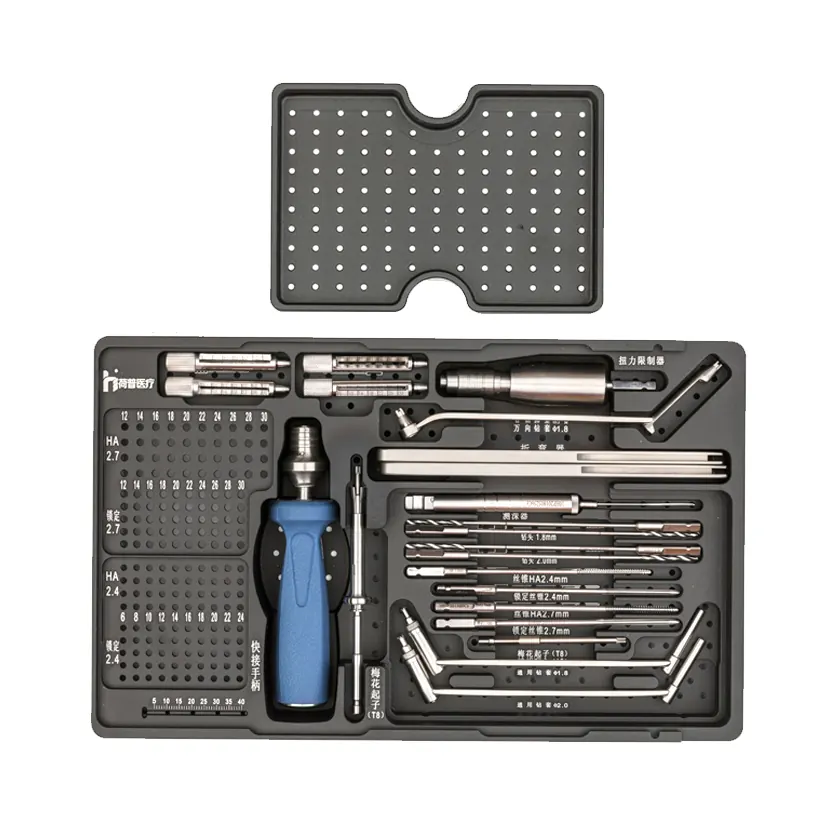
Youbest instrument-set image. Confirm the supplied contents and system compatibility before ordering.
Use a pilot order to decide whether to scale
A pilot order should answer a defined business question: can this partner supply the agreed range with the records and support your market needs? Set acceptance checks before payment, rather than deciding after the cartons arrive. Measure what was promised. Review model codes, quantities, labels, lot information, packaging condition and document completeness through your approved receiving process. Check instrument contents against the agreed list and refer technical questions to qualified staff. A trauma implants supplier earns a larger order by closing gaps and meeting the agreed scope, not by offering a larger discount. Scale only after review. Record discrepancies, response times and corrective actions. This is a procurement check, not proof of clinical performance. Once the pilot meets your criteria, build the next order from confirmed customer demand and a realistic plan for replenishment.
- Define the country, target buyers and requested systems.
- Verify documents for the exact models and destination.
- Match implants, instruments and spare parts in one set list.
- Compare full costs and written supply terms.
- Review the pilot before expanding the range.